

How Burnout Leads to Nervous System Dysregulation
Self-Care is a Skill, not a Treat
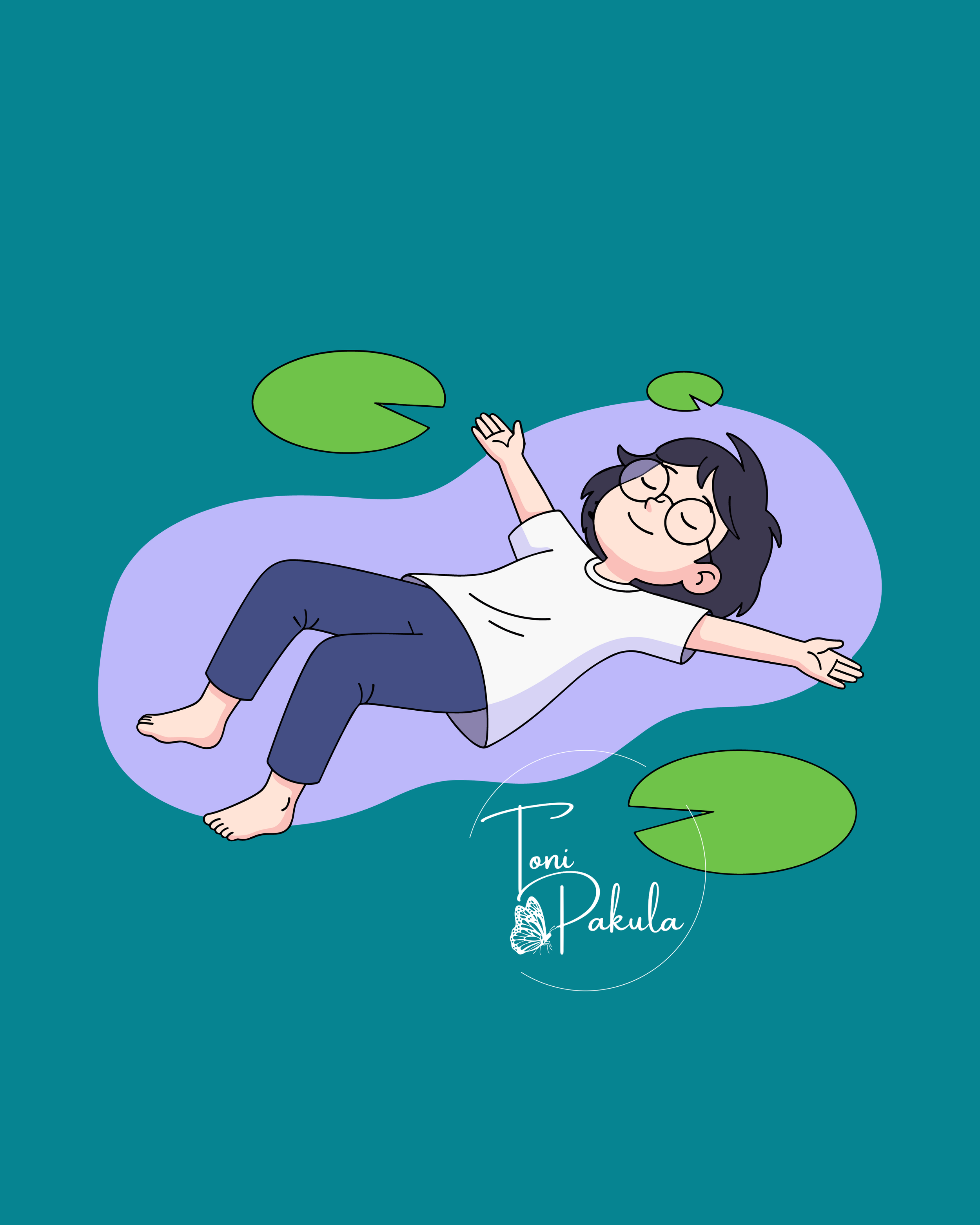
Self-care is more than just pampering ourselves; it is a fundamental skill that many of us need to learn and actively practice. Taking some time out to listen to music we like, or getting our hair and nails done, or going out with our friends for drinks now and again, does not equate to self-care. These activities are treats if we only do them sparingly and not with purposeful intention. Self-care should be something that we embed daily into our lives.
Listening to music is more than just enjoying ourselves – the frequency in music and nature helps retune the nervous system. The cello calms us down, helping to ground us, while the violin can stimulate us, waking us up and lifting us up. Listening to music, taking a walk in nature, or engaging in an activity that helps us relax, has a profound therapeutic effect on our nervous system. These daily practices help us rest, restore, and reset our nervous system.
We need to learn to listen to what our nervous system tells us, so we can take care of its needs. We cannot think and make decisions when we are living in nervous system dysfunction. When we are dysregulated, the prefrontal cortex turns off, making even the smallest decisions, like choosing what to wear for the day, challenging.
When the Nervous System Is Overloaded, Decision-Making Shuts Down
A dysregulated nervous system can cause our emotional states to fluctuate, which affects how we think and feel. Many people live between the sympathetic state (fight or flight) and the dorsal parasympathetic state (freeze), rarely experiencing a ventral vagal state of rest, digest, and connection.
When we work and push ourselves beyond our natural limits, our nervous system becomes dysregulated, causing us to function in a state of chronic stress.
Our thoughts become disordered when our nervous system is dysregulated. Dysregulation is the ultimate weapon to control us. Dysregulate our gut and nervous system with fear and low nutrient-dense foods, and watch people become hazy, confused, and distrustful of themselves. Through dysfunction and internal conflict, we are unable to notice, feel, and respond to the world around us. We are simply surviving each waking day, and in this state, empathy dampens, and apathy rises as we carry around internal feelings of frustration and exhaustion.
Neurodivergence and the Cost of Constant Adaptation
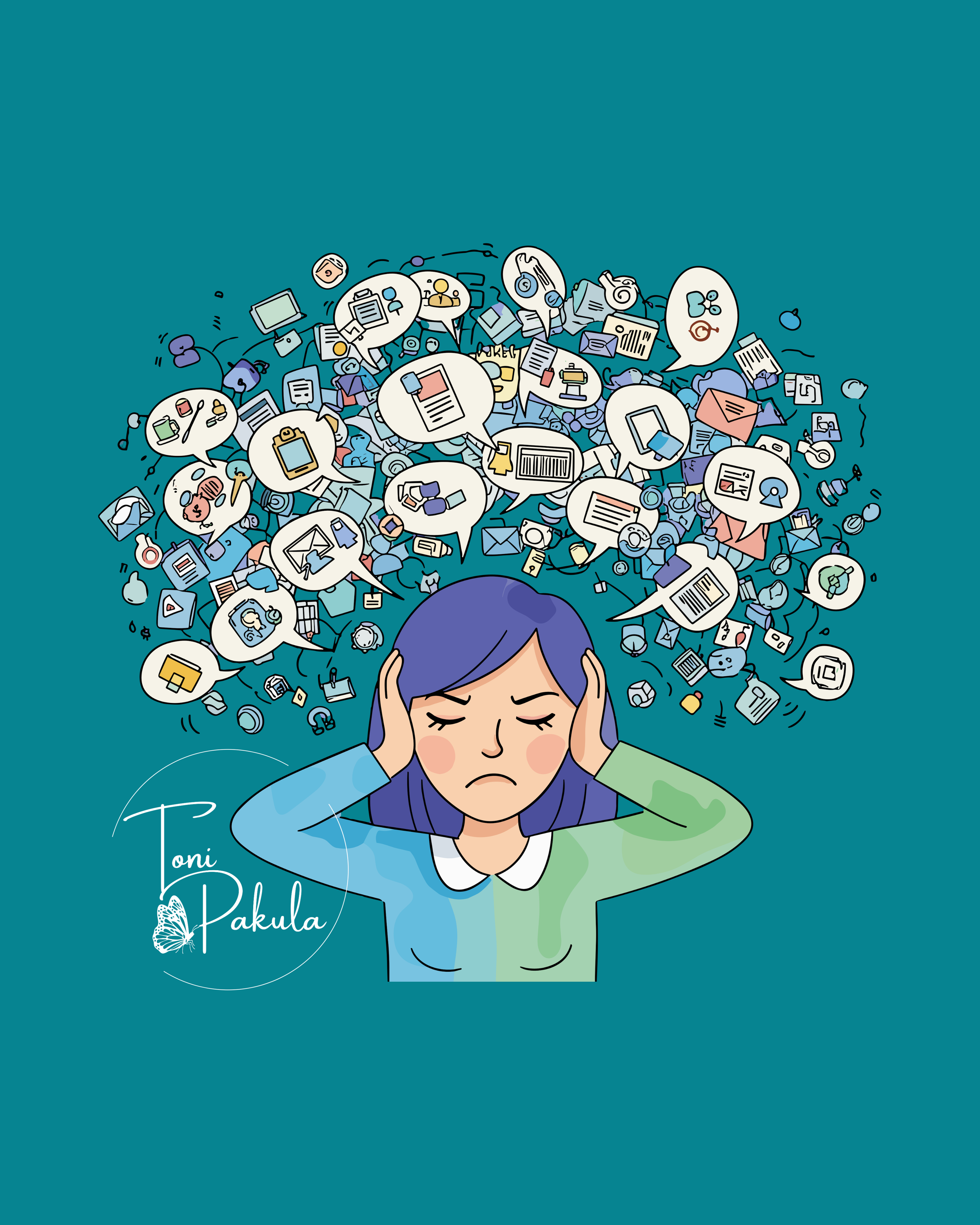
Neurodivergent people, including myself, are at risk of living in a constant state of dysregulation, navigating the battlefield of everyday life while neglecting self-care, putting off rest, and prioritising the endless demands thrown at us. To meet society’s relentless expectations, many of us place unrealistic pressures on ourselves to be more and do better. The continuous, looping thoughts that run through our minds can lead to cognitive overload. It is critical that we learn to recognise when we are engaging in self-destructive patterns, such as welcoming every thought that comes into our mind, good or bad, and working overtime to solve every problem, even creating solutions for issues that haven’t arisen yet.
It’s no wonder we can fall quickly into a pit of dysfunction, which is lined with anxiety and depression.
Burnout in a World That Rewards Overworking
If you are running in burnout mode, it is not your fault. The modern world demands that we prioritise earning an income just to cover the basics of living. If we want a life that is more than simply getting by, we are encouraged to push ourselves harder, become more competitive, and strive for perfection as we chase success and security in the rat race. This way of living easily leads to burnout if we are not careful. When you are neurodivergent, even an average day can be more than challenging. We may struggle to focus on mundane tasks, or we hyperfocus, constantly fixing and preparing for everything. In the process, we often forget to take breaks, to rest, and even to eat and drink.
When the Body Steps in Because the Mind Can’t Stop.
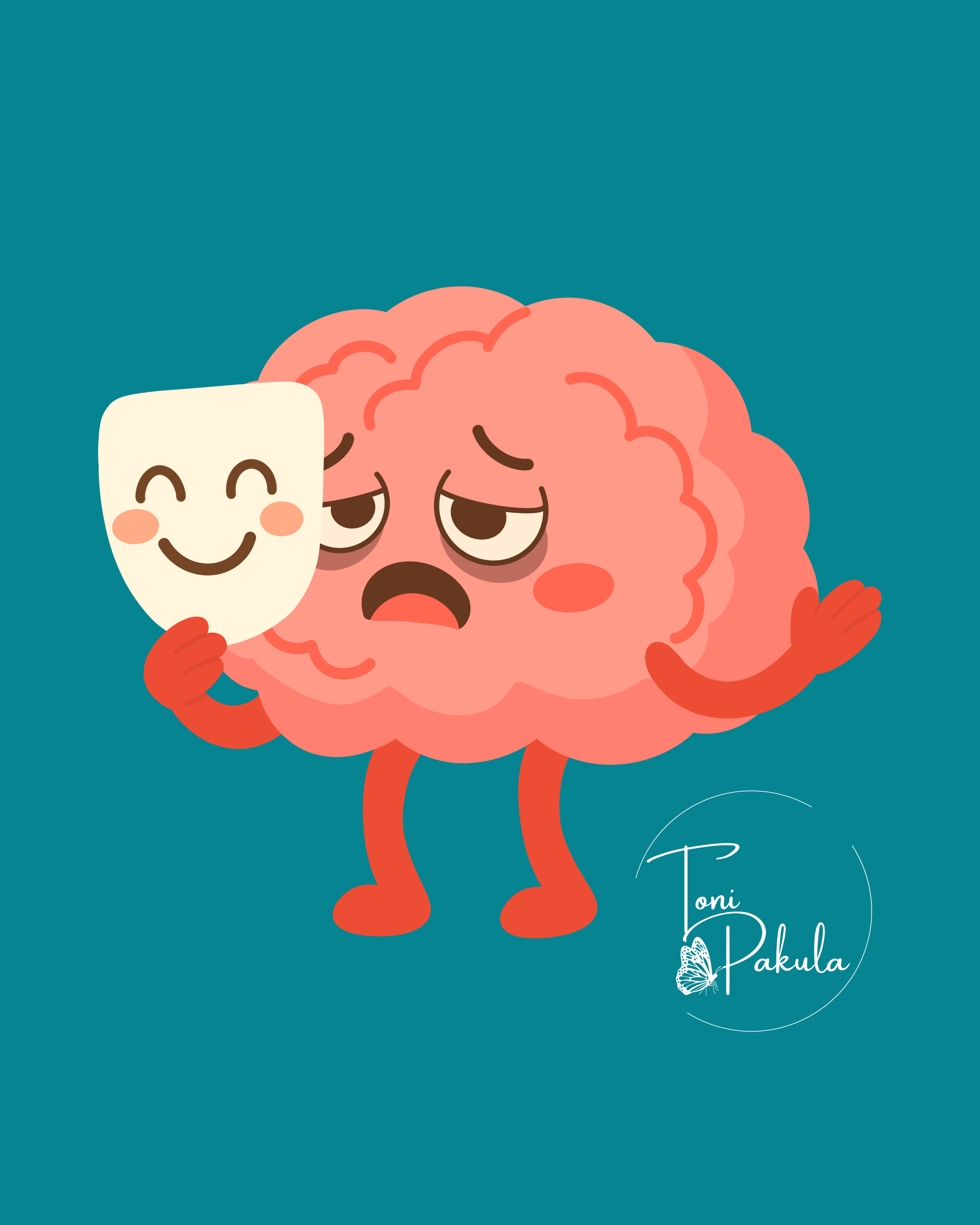
Burnout needs to be taken seriously as it takes a physical toll on our bodies. I know firsthand how pushing ourselves too hard can take us out of the race altogether. Our bodies will step in when our mind refuses to stop, forcing us to stop, leaving us powerless and confused as our mind wills us to get up and to get back to working like lunatics, but our bodies refuse to comply and to move.

My Experience of Burnout and Recovery
Last year, I was fortunate to win a scholarship for a postgraduate teaching degree. By the end of the year, my body collapsed – I was hit with a school virus and worked myself into mental fatigue trying to meet assignment deadlines, presentations, and completing practicums with perfectionism for perfect grades, leading the way.
When I finished, I became quite sick, developing a chest infection that lasted for 3 months. My breathing was laboured; I suffered from chronic fatigue and joint pains, constant migraines and increased anxiety, and my iron was extremely low, calling for an iron infusion.
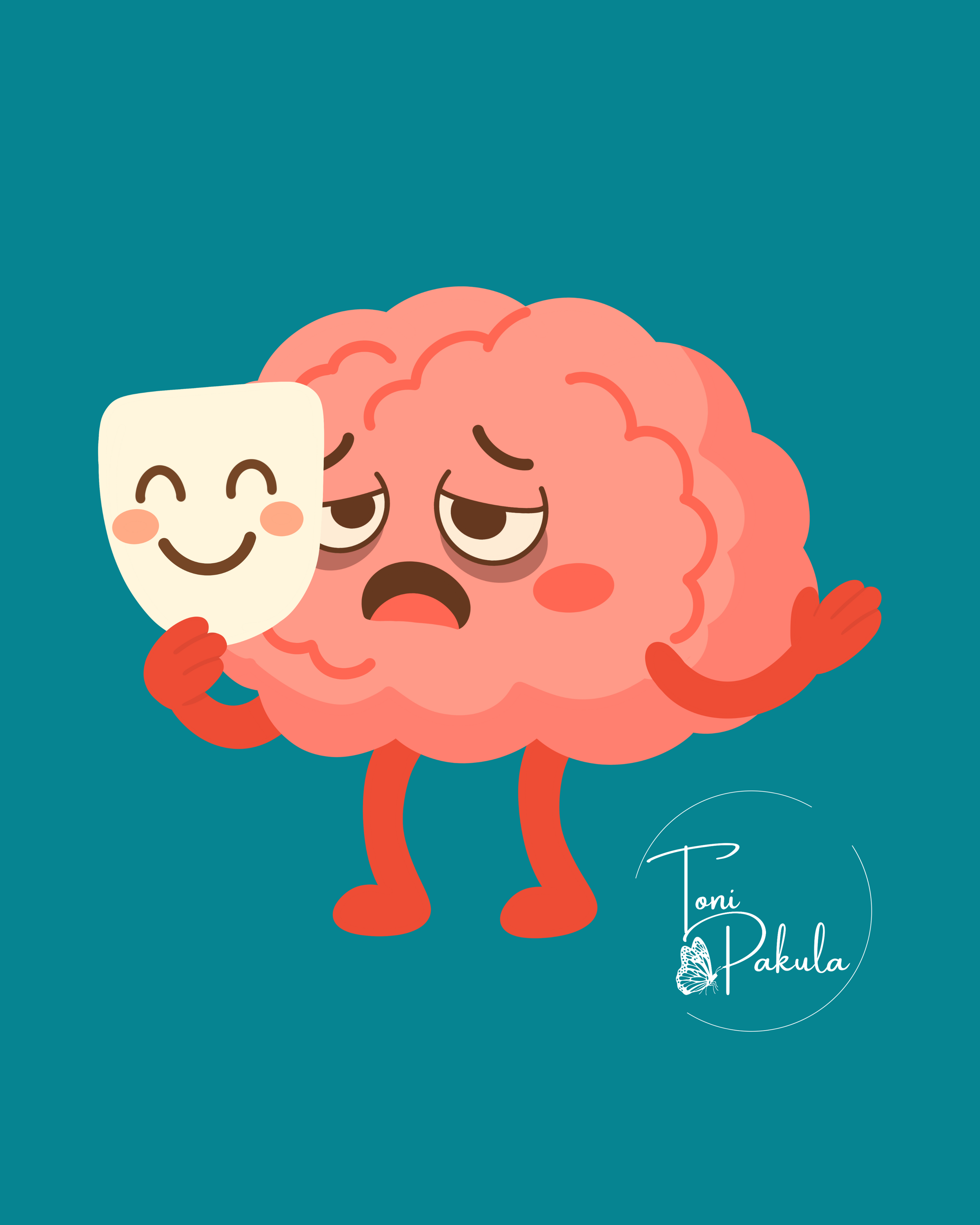
Naturally, I am an introverted person; working daily in a classroom while high masking ADHD pushed me to collapse – despite loving my qualification and teaching – I was ready for the school holidays. I can safely say that after a few months of good rest, I have finally recovered.
Why Educator Self-Regulation Matters
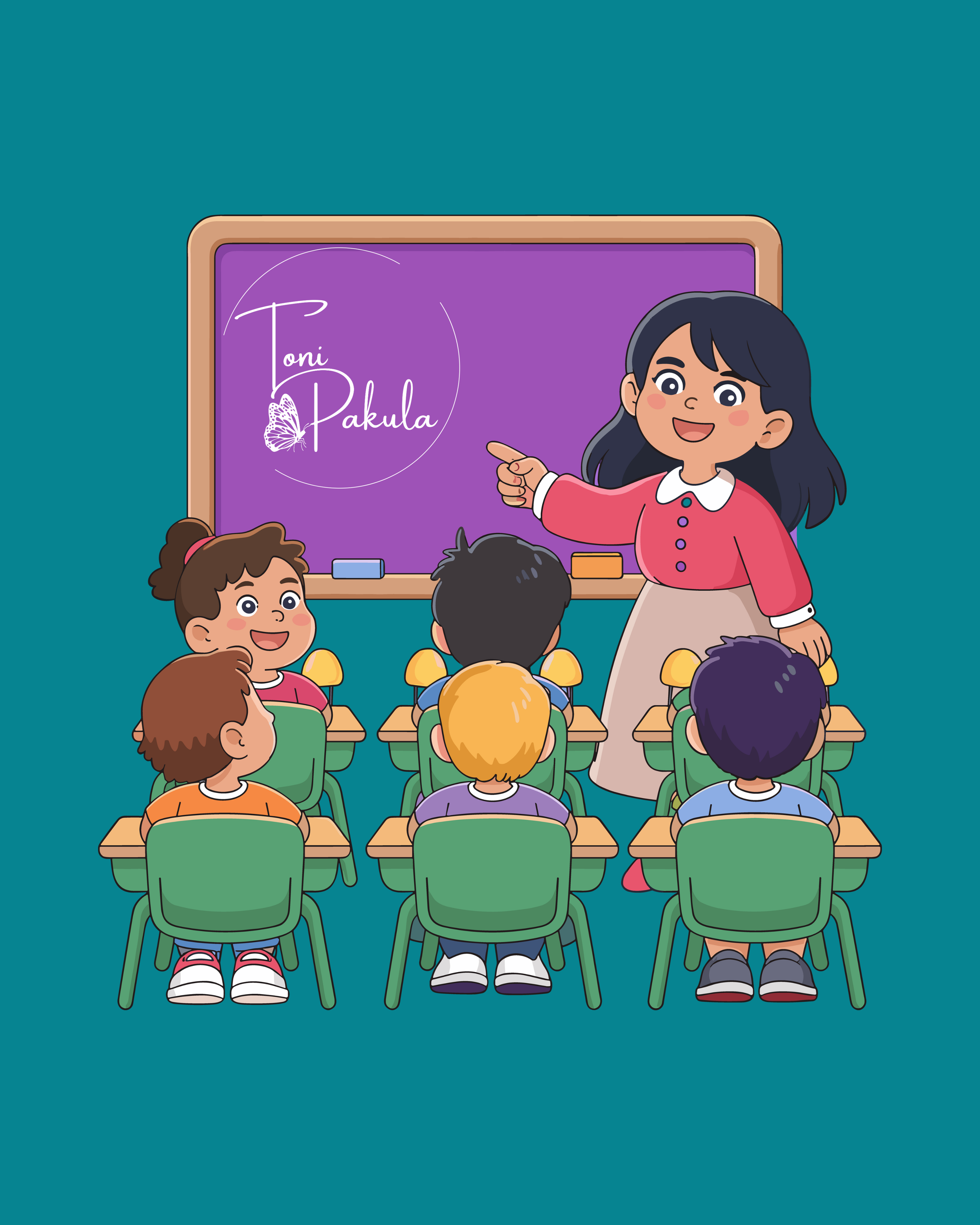
As educators, it is essential that we show up for the children in our care so we can be effective in our teaching roles. To do this, we must first recognise how we are feeling and take steps to care for ourselves. How can we be effective educators if we are running on low fuel, experiencing burnout, and feeling dysregulated? How can we act as effective co-regulators for the students in our classrooms if we are struggling to self-regulate?
Therefore, it is paramount that teachers and educators prioritise their own well-being, learning the skills of self-regulation so they can model this knowledge to their students in their care. By doing so, we help children learn to notice and understand their own feelings, while also reinforcing the importance of embracing imperfection rather than constantly striving for perfection.
We can’t expect others to listen to us if we don’t listen to ourselves. An effective leader shows the way through modelling. This means ensuring our nervous system is regulated and grounded, so we are not triggered by our environment or by others’ dysregulation. When we are grounded, we can step back before stepping forward, offering calm co-regulation to those who need us
Regulation Is Built Through Daily, Intentional Practices
As I move into 2026, I know I must take better care of myself, making sure I take breaks when I can and avoiding working myself into burnout. I need to consistently embed the healthy habits I have learnt that help quiet my ruminating thoughts, so I can truly rest and restore after each day. I have swapped screens for books and replaced doomscrolling with painting and listening to cello. During the day, I make a point of going for a daily walk, and I practice mindfulness through writing and journalling.

When the Body Says No
Gabor Maté discusses in his book “When the Body Says No” how our body will step in and force us into rest if we run ourselves to exhaustion and do not listen to our nervous system. Chronic illness, gastroenteritis issues, joint pains, and constant headaches are some of the physical symptoms we experience when we keep pushing ourselves beyond our limit – and worse, cancer and immune disorders will eventually force us to take a seat.
Prevention Is an Act of Self-Respect
As a health and nutrition coach, I understand that prevention is better than cure. We all know this, yet we rarely listen. Over time, society has taught us to ignore what we are feeling, to keep pushing on, to be resilient, and to show grit at all costs.
Not so long ago, adverts promoted lozenges and pain relief so we could remain productive at work while battling the flu or other viruses. Since COVID, that perspective has shifted somewhat, and thankfully, we are now encouraged to stay home when unwell. Perhaps this is one positive outcome of the pandemic: a renewed respect for rest.
We need to become better at listening to our bodies and caring for our physical selves, as our physiology supports our mental health, and our mental health, in turn, influences our physiology.
Mindfulness as Nervous System Hygiene
Going for a walk once a week, or even taking a few steps outside, is a start. But if we want to practise adequate self-care, we need to make this part of our daily habit and routine, alongside embracing other practices such as eating well and taking mindfulness breaks. One important lesson we can all reflect on is the understanding that we cannot fill other people’s cups if our own is empty. Before we prioritise our time for others, we need to, like we do with our finances, pay ourselves first, but in time blocks.
Alongside physical habits, we also need practices that bring us back into awareness and connection with ourselves. One such practice is mindfulness.
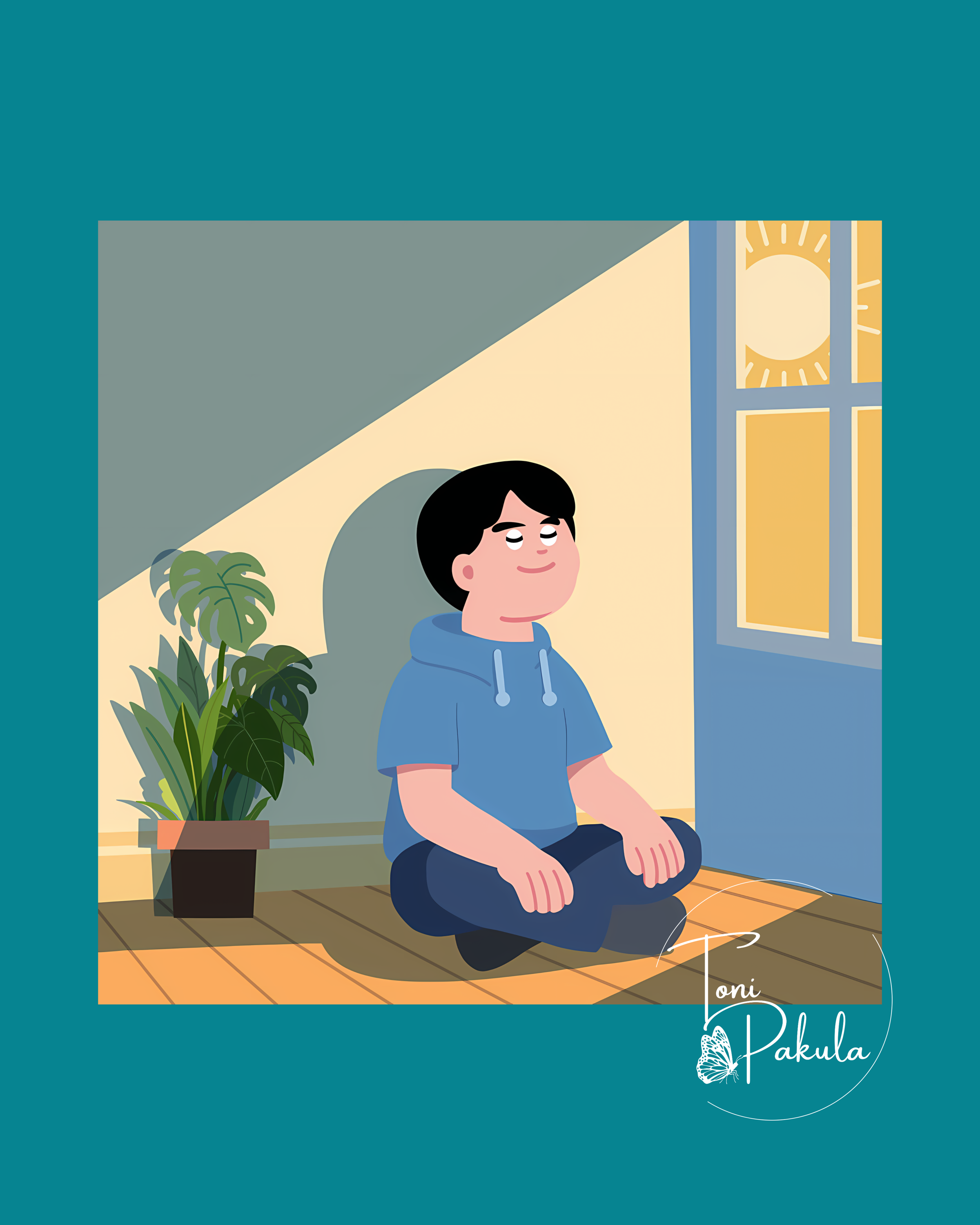
Mindfulness is not just a spiritual practice where we sit and let thoughts come and go. It is a small pocket of time, five or ten minutes each day, to regulate and rest our nervous system, to listen to ourselves, and to allow thoughts to pass without jumping to their command.
When your body is calm and still, your mind can organise its thoughts. Sitting in stillness isn’t checking out – it’s checking in.
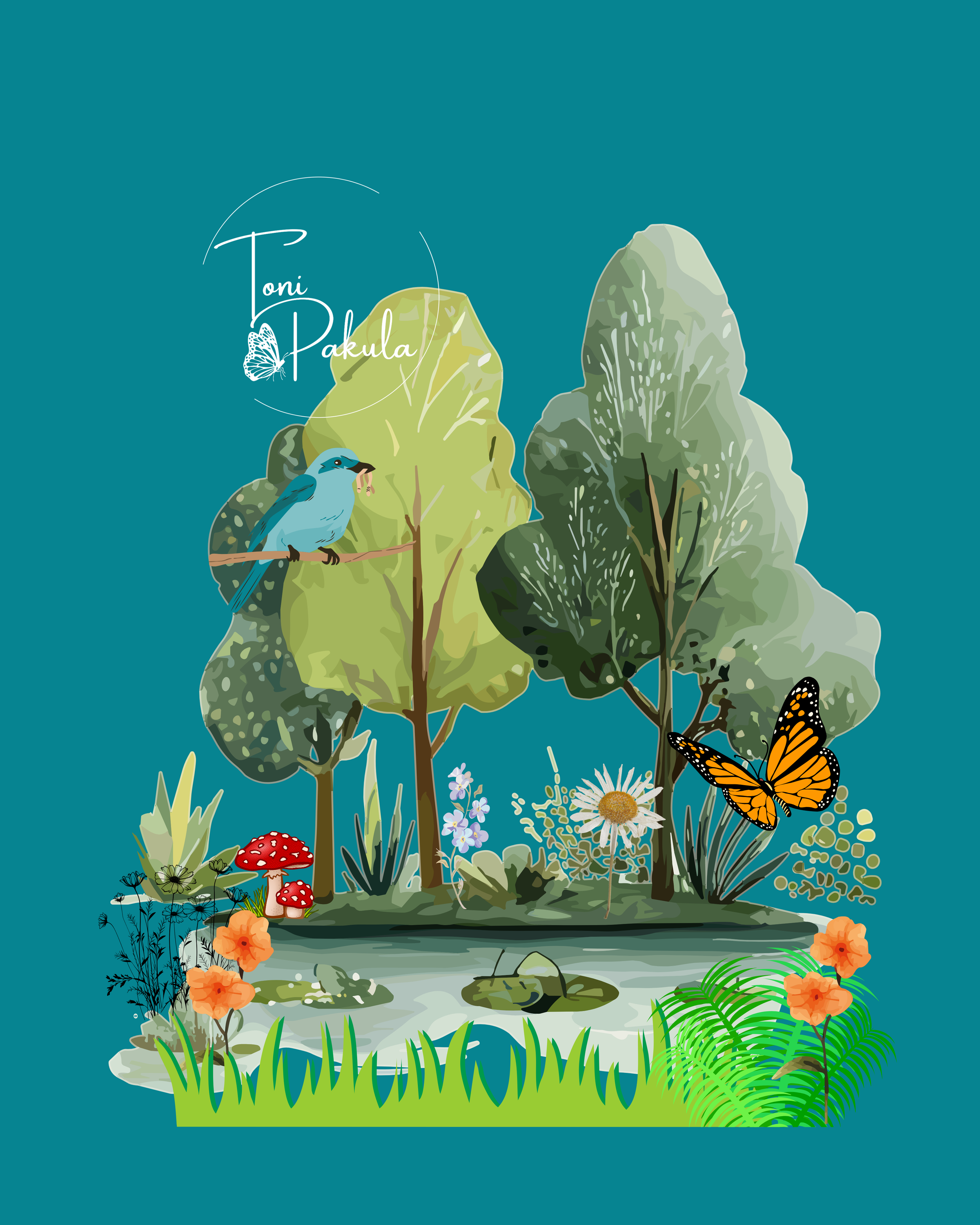
Going for a walk in nature allows us to breathe in the air around us, interact with the natural environment, exchanging our microbiome, and replenishing our oxygen supplies, and reminding ourselves that we are nature.
Food as Nervous System Support
Eating well should not be a luxury. Food is medicine, and both our body and mind need consistent nourishment to function optimally. When we skip lunch or replace nutrient-dense snacks such as almonds or berries with high-carbohydrate, high-glucose alternatives, we place unnecessary stress on our bodies and gut microbiome. This can disrupt neurotransmitter balance, which in turn influences our thoughts, emotions, and overall regulation.
Nourishing food is therefore fundamental to supporting both the body and the mind.
The Body Is Not a Vehicle for the Mind
Our bodies are not merely vehicles, carrying our brains from A to B so our minds can solve all problems. They need to be cared for just as much as our minds do.
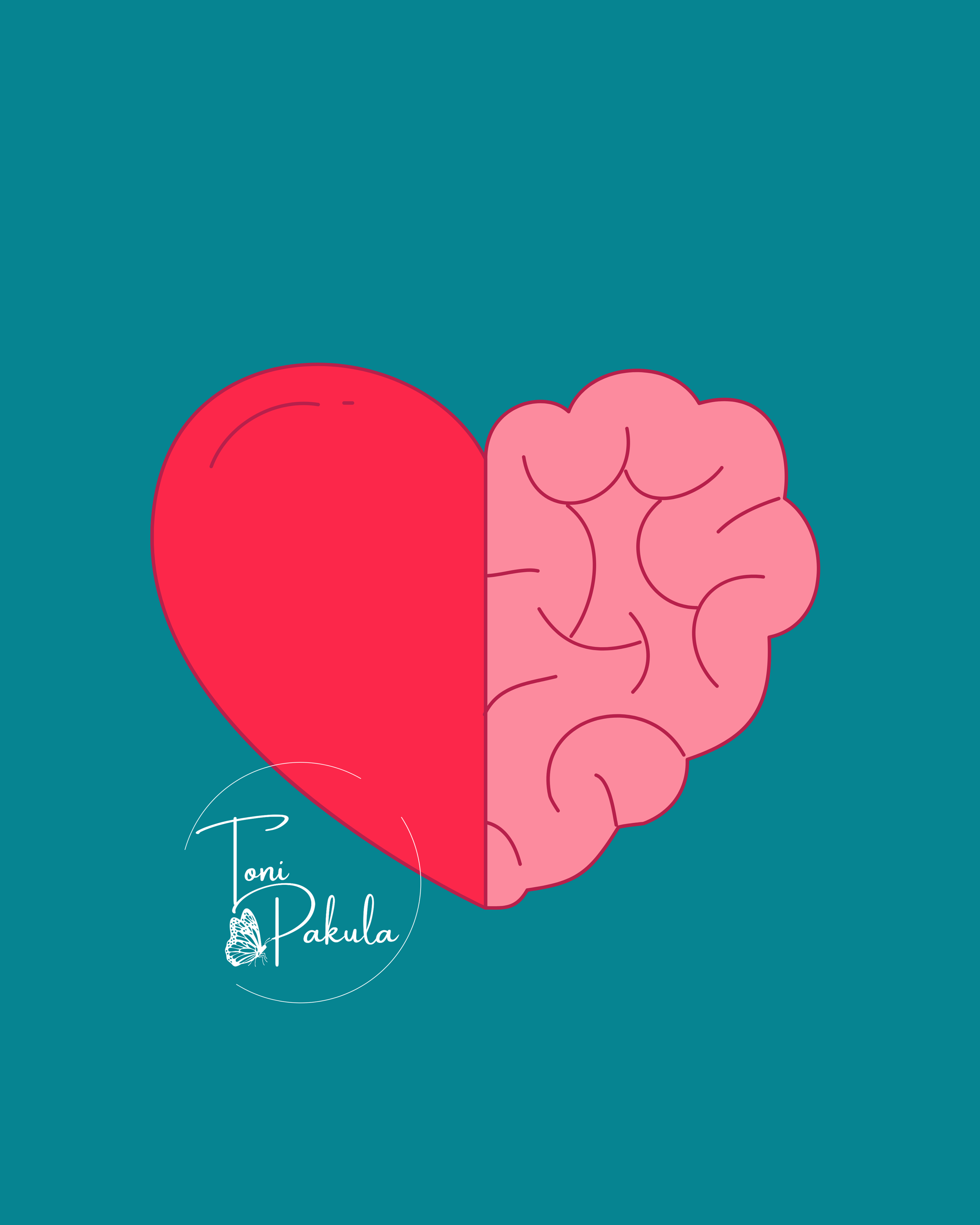
Walking, running, swimming, and taking care of our muscles, bones, and heart support the nervous system and the bidirectional gut–brain axis, the pathway connecting our three brains: gut, heart, and brain. By nurturing our bodies, we also support our mental and emotional well-being, reminding ourselves that mind and body are inseparable.
Working With Our Nervous System, Not Against It
When we embrace ourselves as we are and care for both body and mind, we begin to tune into our nervous system, allowing us to respond more effectively to the world around us.
Mental exhaustion is like an out-of-control house fire. It inflames our neurons, disrupts our cognitive function, and unsettles our nervous system. Our senses and interoception are affected, leading to doubt in our sense of self, our ideals, and our capacity for compassion. Burnout also threatens our physical health, leaving us paralysed in a world that demands we are constantly running.
Productivity With Care, Not Collapse
Work smarter, not harder, a phrase coined by Allen F. Morgenstern, is something we should all have framed on our walls. We are most productive when we invest the right amount of energy and time, balanced with care and self-compassion.
We do not need to work ourselves to exhaustion to reach our goals. What we need is a plan, grounded in organisation and respect for ourselves and our bodies. When we work this way, we produce quality results. When we show up for ourselves, we can truly show up for others.
Choosing Imperfection Over Burnout
Everyone needs a planner—one that protects time to nourish your own soul before you pour into others. Say no to burnout. Say yes to productivity that honours your body, your mind, and your wellbeing.
When we care for ourselves first, we give to the world rather than deplete it. This isn’t easy, and it won’t happen overnight. We must embrace imperfection—striving not for flawless achievement, but for progress, presence, and humanity. As Brené Brown reminds us in The Gifts of Imperfection: “Let go of who you think you’re supposed to be and embrace who you are.”
If you would like to learn more about how I can support, you through trauma-informed health and nutrition coaching—coaching that prioritises your wellbeing and helps you embrace and be yourself—please get in touch. Let’s start a conversation and explore how I can help you thrive.
